

 |
Back to Index |  |
Next |  |
Last | ||||
| 37 records found. Page 1 of 4 displayed. | |||||||||
For most of the photos on this page, you can click the image for a larger picture.
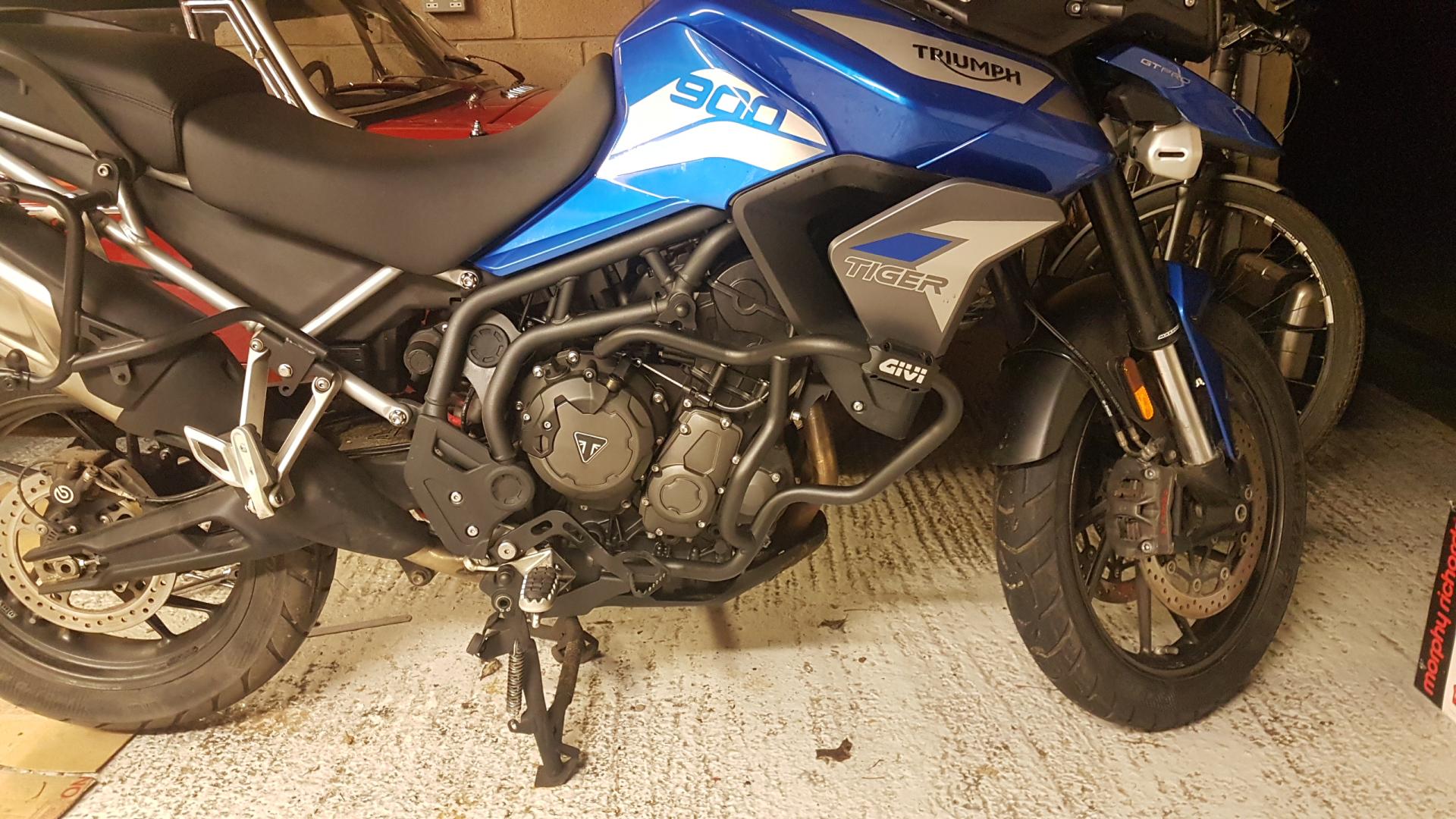
I've fitted Givi Engine bars to my 2022 Triumph Tiger 900. I managed to accidentally drop my previous bike and make a slight scratch on the tank. So the engine bars are an attempt to stop that happening again. I couldn't find any YouTube videos on fitting the bars. The Givi instructions are OK but aren't very clear in a few places so I took photos as I fitted them. It takes about a couple of hours going carefully. Givi says "we recommend fitting by a qualified mechanic" but I don't think it’s a problem. The main area to be careful with is to ensure that you don’t get any crossed threads. For that reason, assemble everything with loose bolts before you tighten. You will see that I changed the order of assembly in one situation to avoid that.
2024 Update
I've bought a new bike this year, another Tiger 900. Only this one is the 2024 model and there are some slight changes. I'm not sure if the Givi web site is listing this model as there was some minor changes. Go to page 3 to find the 2024 update.
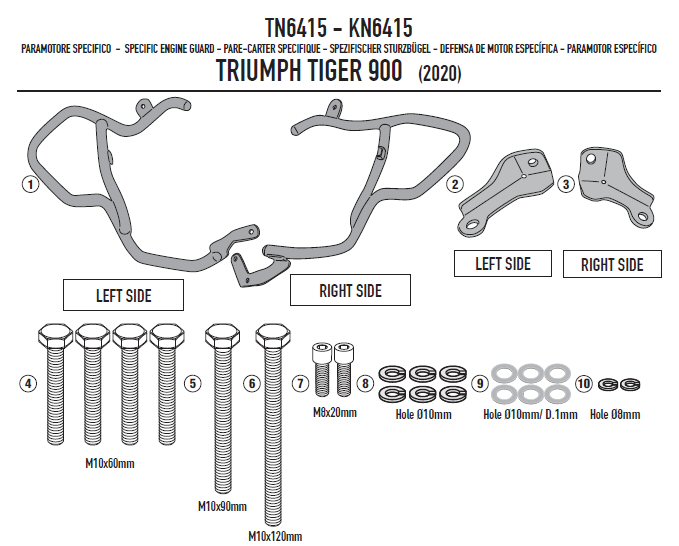 |
This is the first page of the Givi parts list. I normally fit stainless steel bolts as it’s a shame to see rusty bolts and nickel plating doesn't last the first winter. However the 90mm and 120mm bolts are M10 * 1.25 threads, i.e. metric fine and I couldn't find a supplier, so the Givi bolts were used. The socket head M8 bolts are standard metric thread and I replaced these with stainless versions. All washers were replaced by stainless washers. |
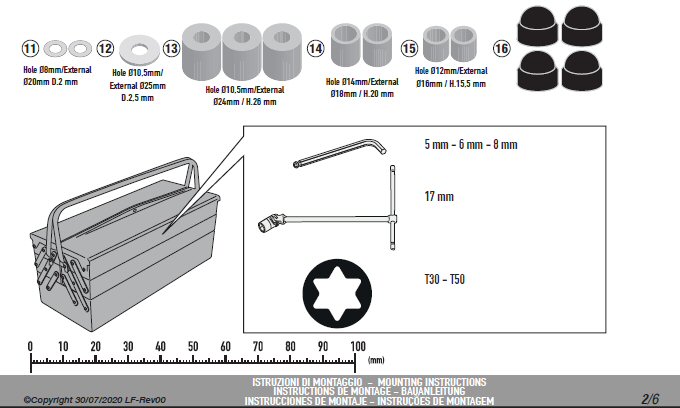 |
The Givi spacers are plain steel with the thinnest coat of paint possible. So I turned stainless steel rod to make the spacers on my lathe. If I had read the instructions properly, I would have made 1 off item 13 at the length quoted and 1 off item 13 at 52mm long, as you use 2 together on the left side. Tools are as set out although you will need a torque wrench. I think I used a T40 Torx as well. |
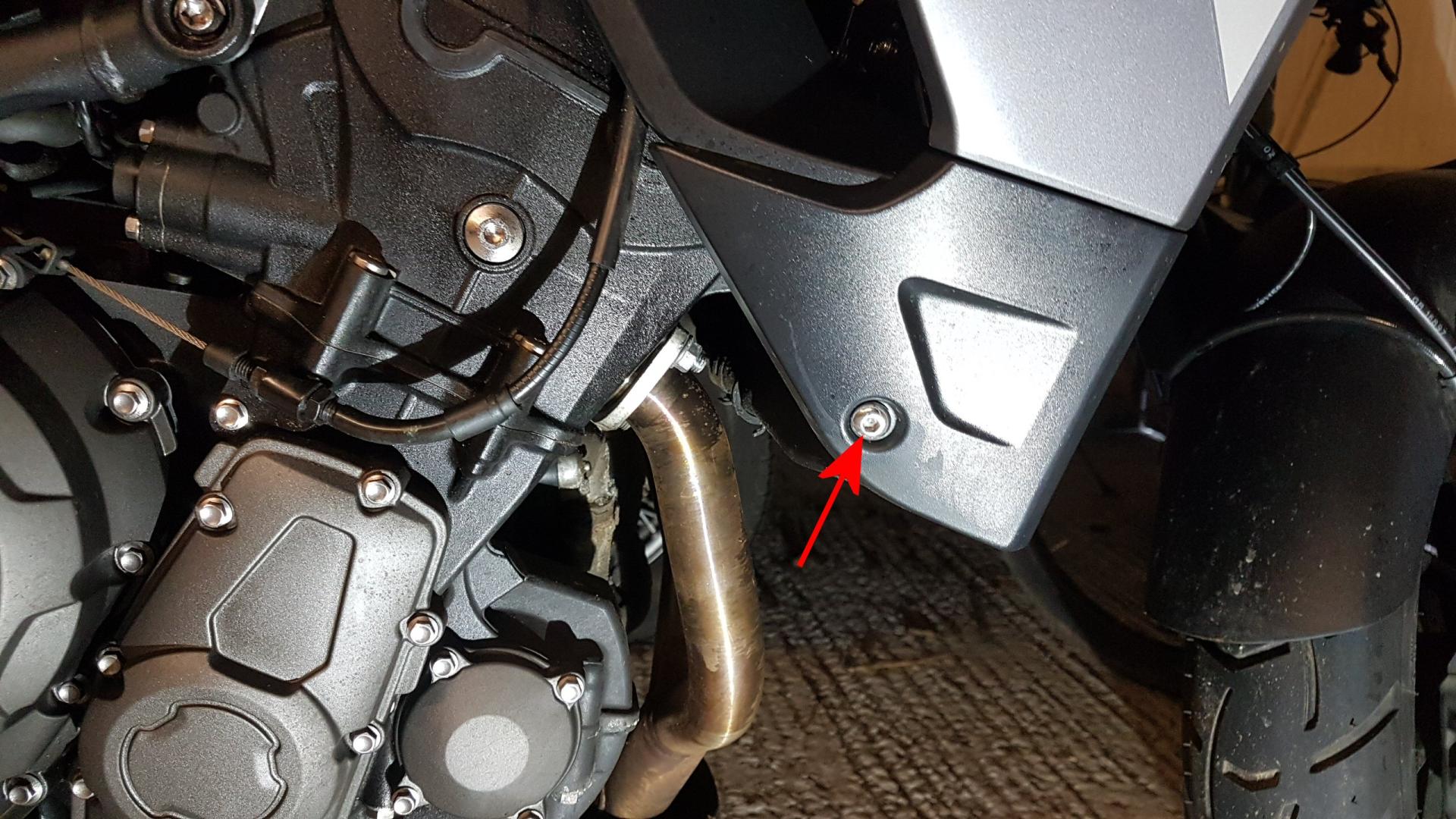 |
Start off by removing these small winglets. Undo the socket head bolt and tilt upwards from the bottom which will disengage the 2 lugs at the top. |
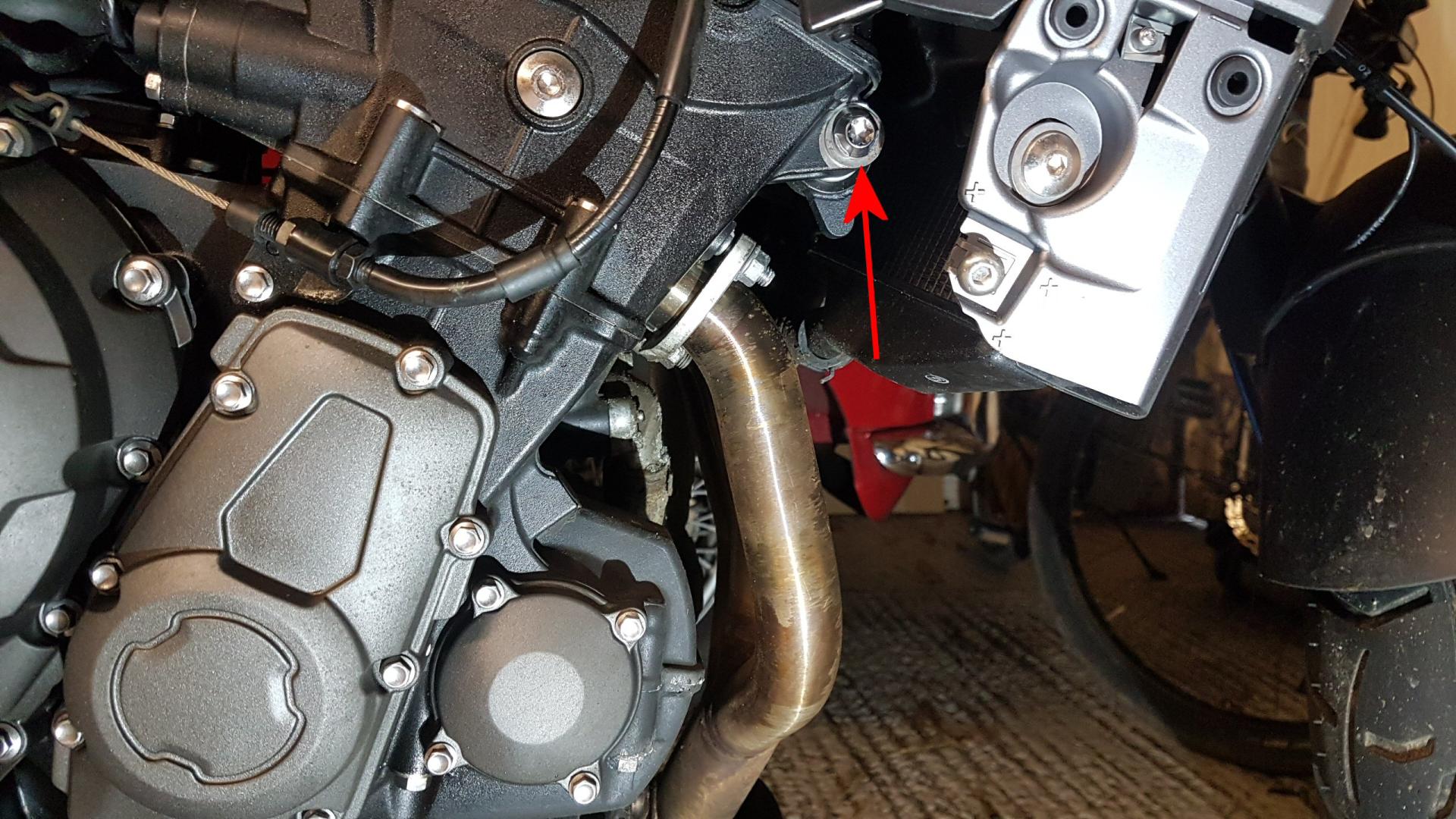 |
Now you can get access to the front engine to frame mounting bolt. This must use a special tool as there are recesses in the bolt head but a standard Torx bit will remove it. Read the next photo caption before proceeding! |
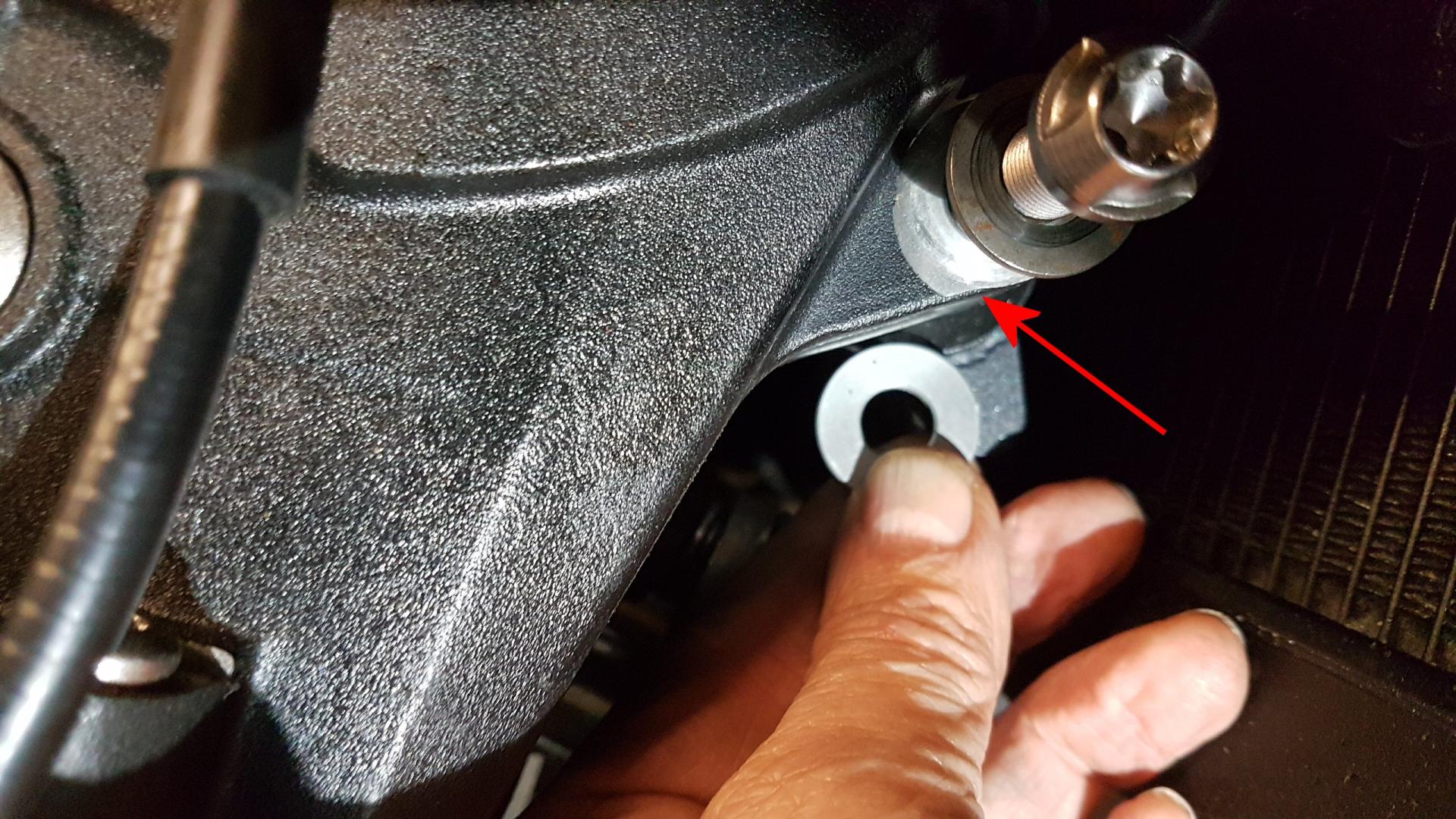 |
There is a spacer between the engine and the frame so make sure you have your hand underneath to catch it. Mine just dropped out onto the floor. |
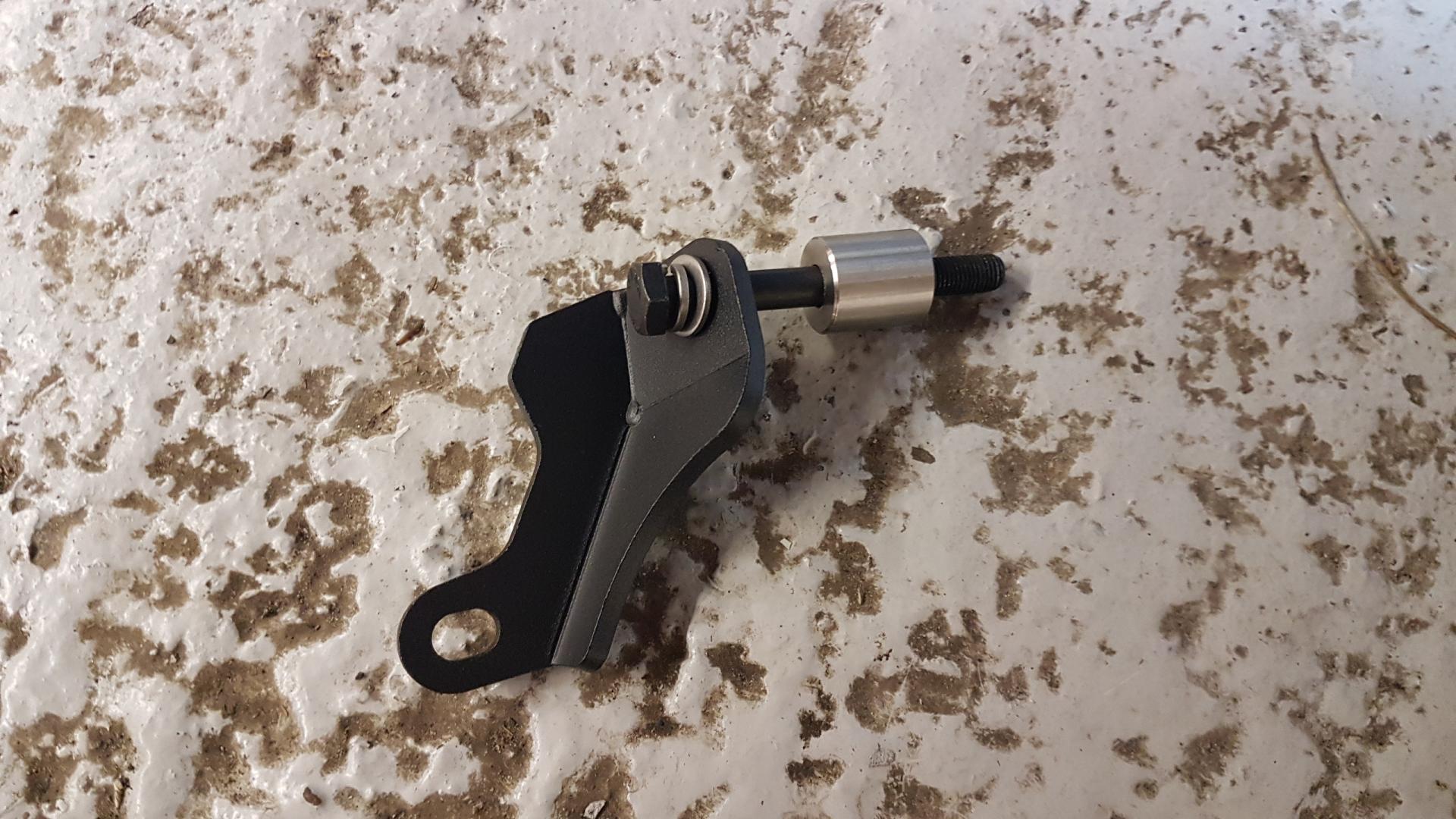 |
Now you can prepare the right hand bracket for assembly. One spacer is used on the right hand side. The bolt is an M10 fine thread. |
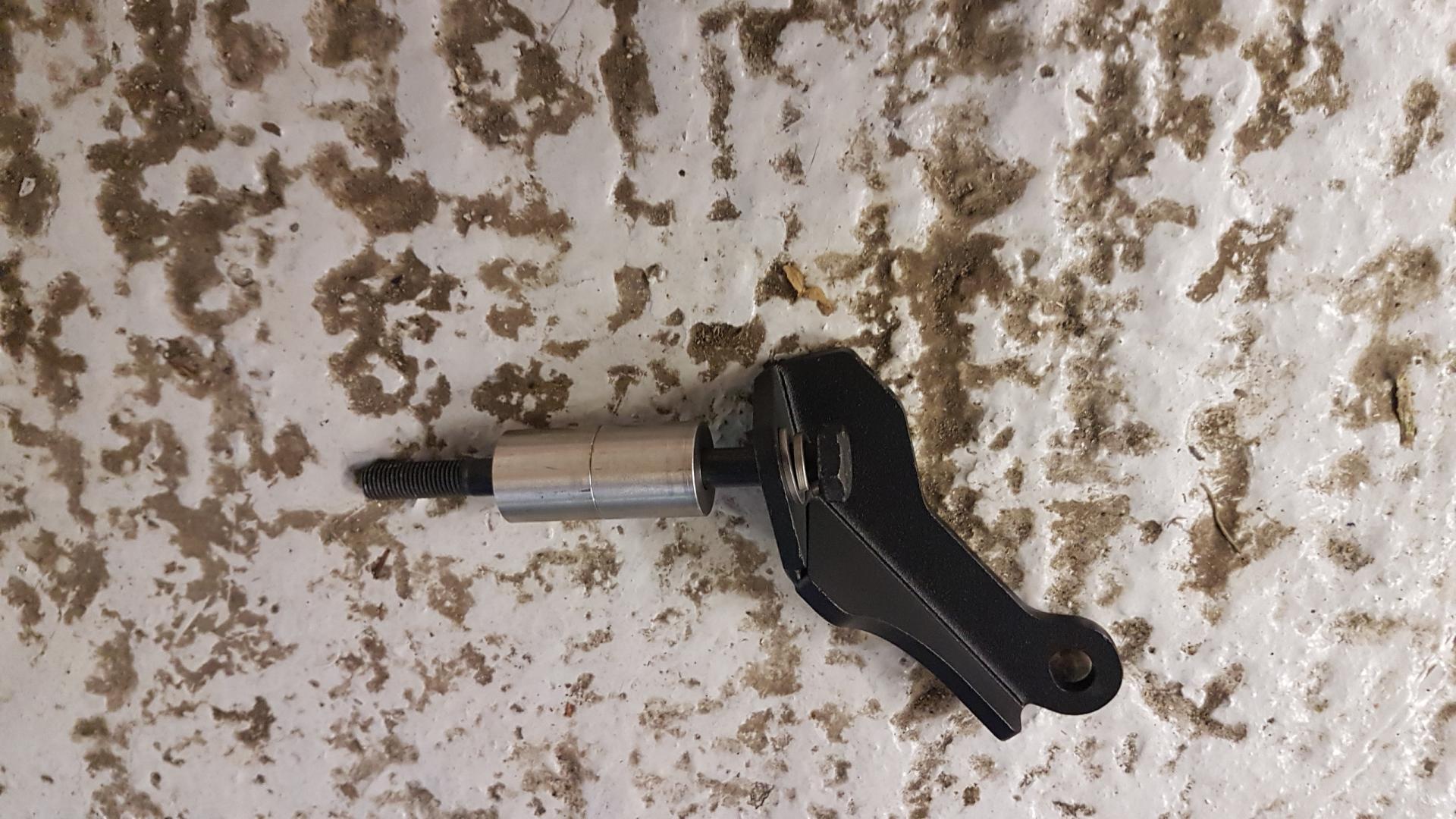 |
Left hand side bracket prepared for assembly. This is where I should have turned a single 52mm long spacer. |
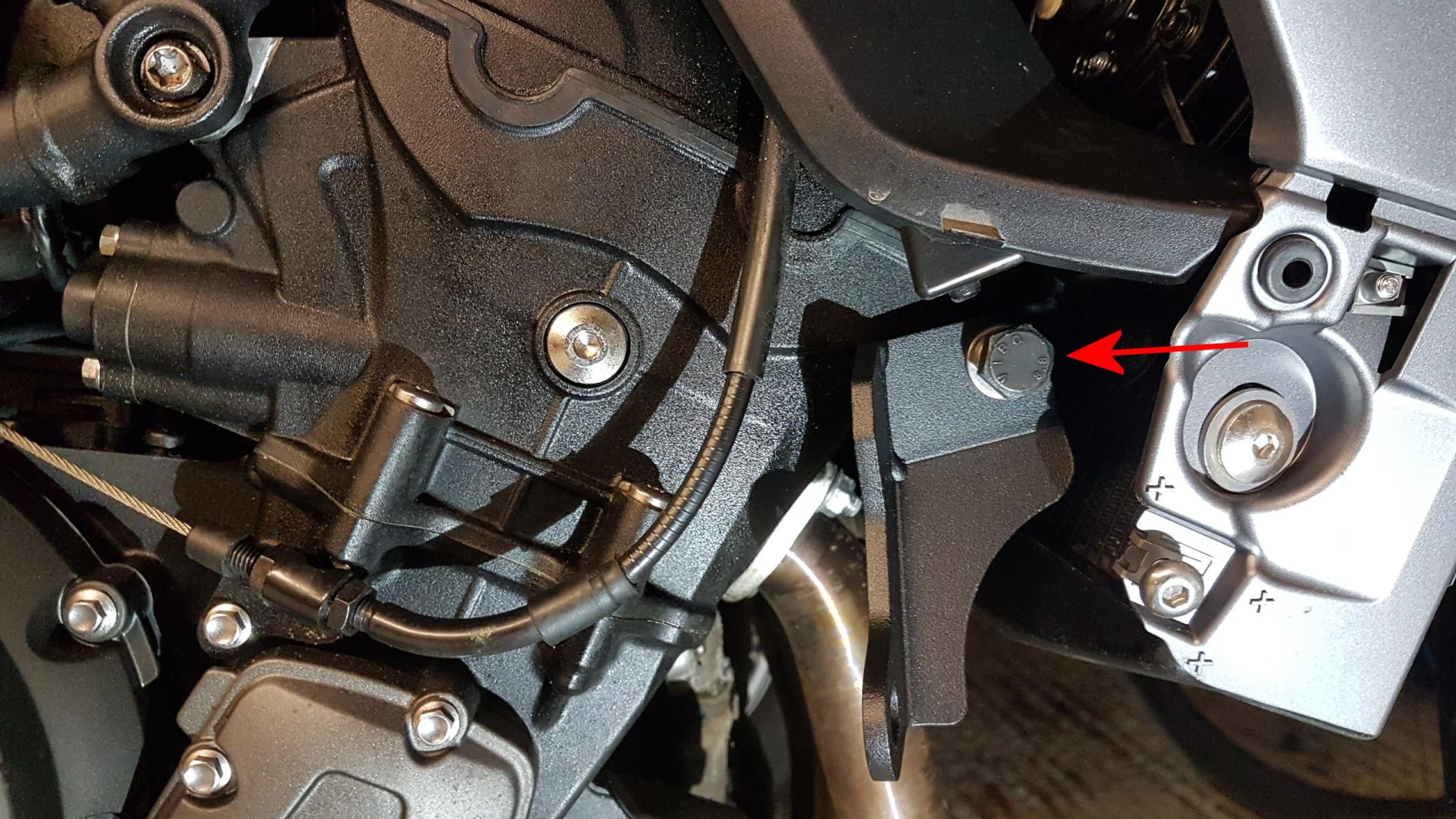 |
Install the right hand bracket making sure that you fit the spacer between the engine and the frame. Be careful to ensure that the thread engages properly as any mistake (i.e. a crossed thread) will be expensive to repair. Leave everything loose. |
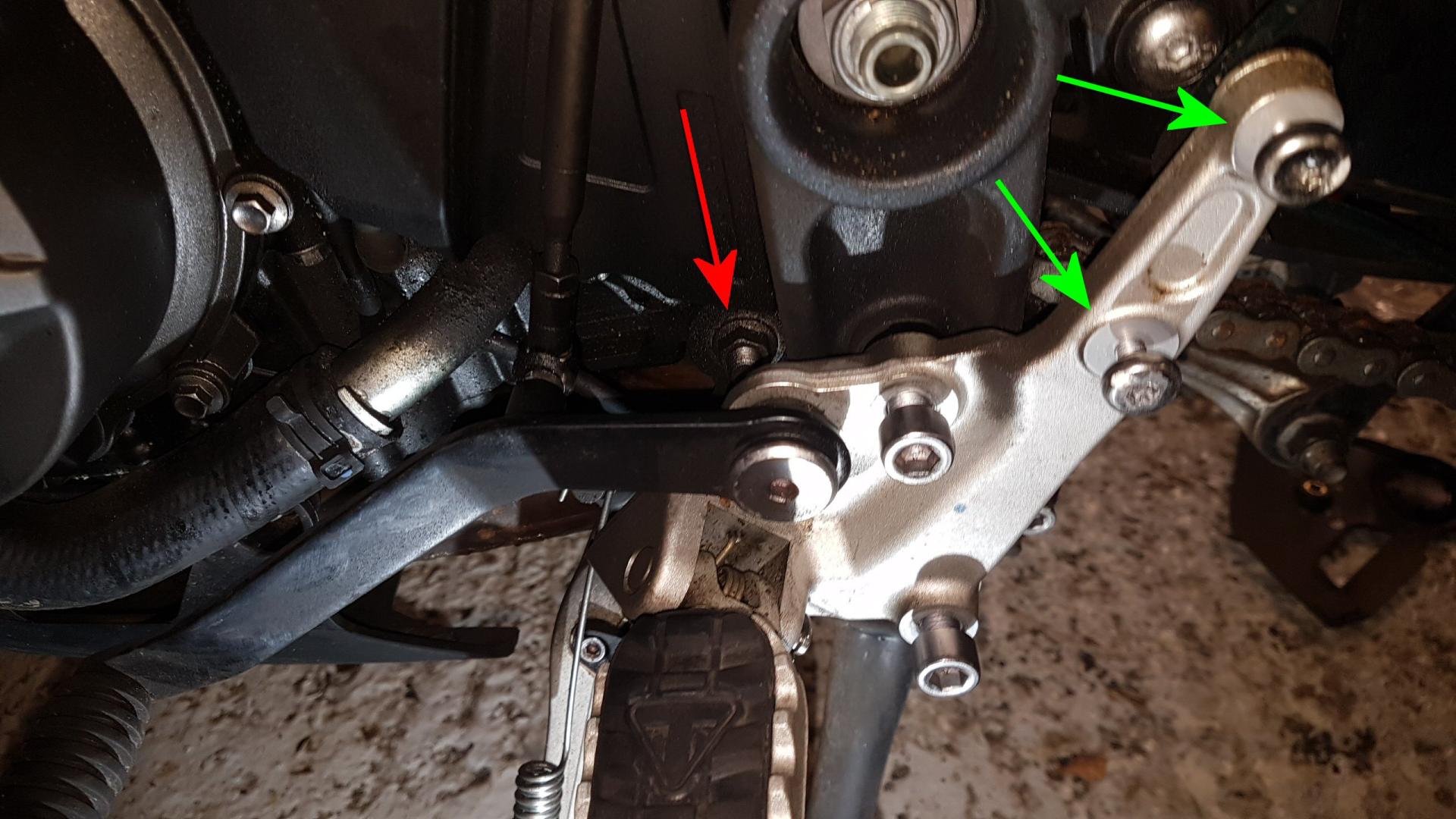 |
Now we go to the driver's footrest bracket. The Givi instructions say fit the left hand side bars first. This is because you need to remove the foot rest assemblies on both sides and the key nut is on the left hand side. The nut is indicated by the red arrow. First you need to remove the plastic cover held on by the 2 socket heads indicated by the green arrow. Its nice to see the Triumph quality here as the cover has metal inserts around the bolt holes in the plastic - a nice touch. |
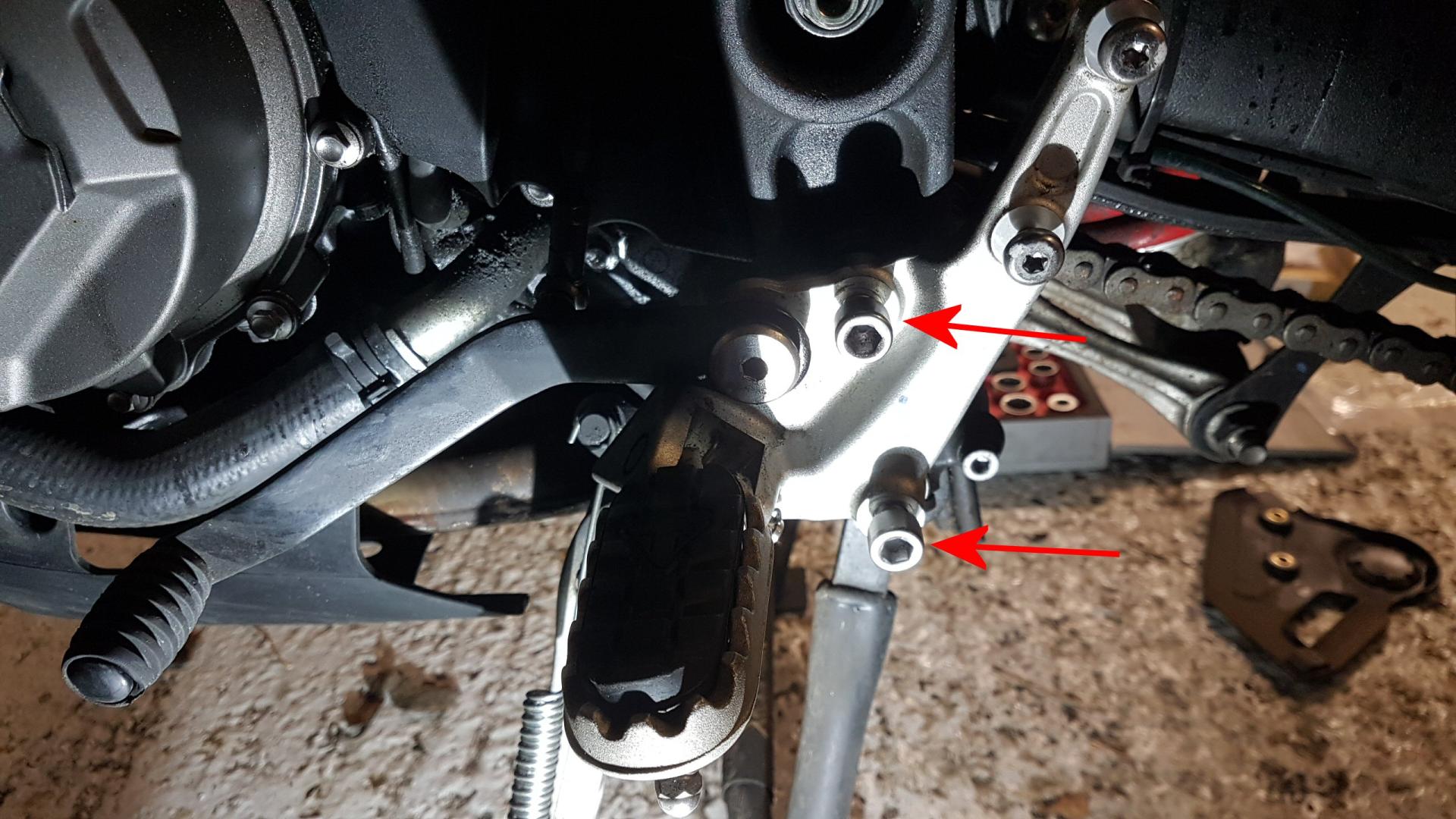 |
Now remove the foot rest assembly by undoing the 2 bolts indicated. |
|
Back to Index | |
Next | |
Last | ||||
| 37 records found. Page 1 of 4 displayed. | |||||||||